


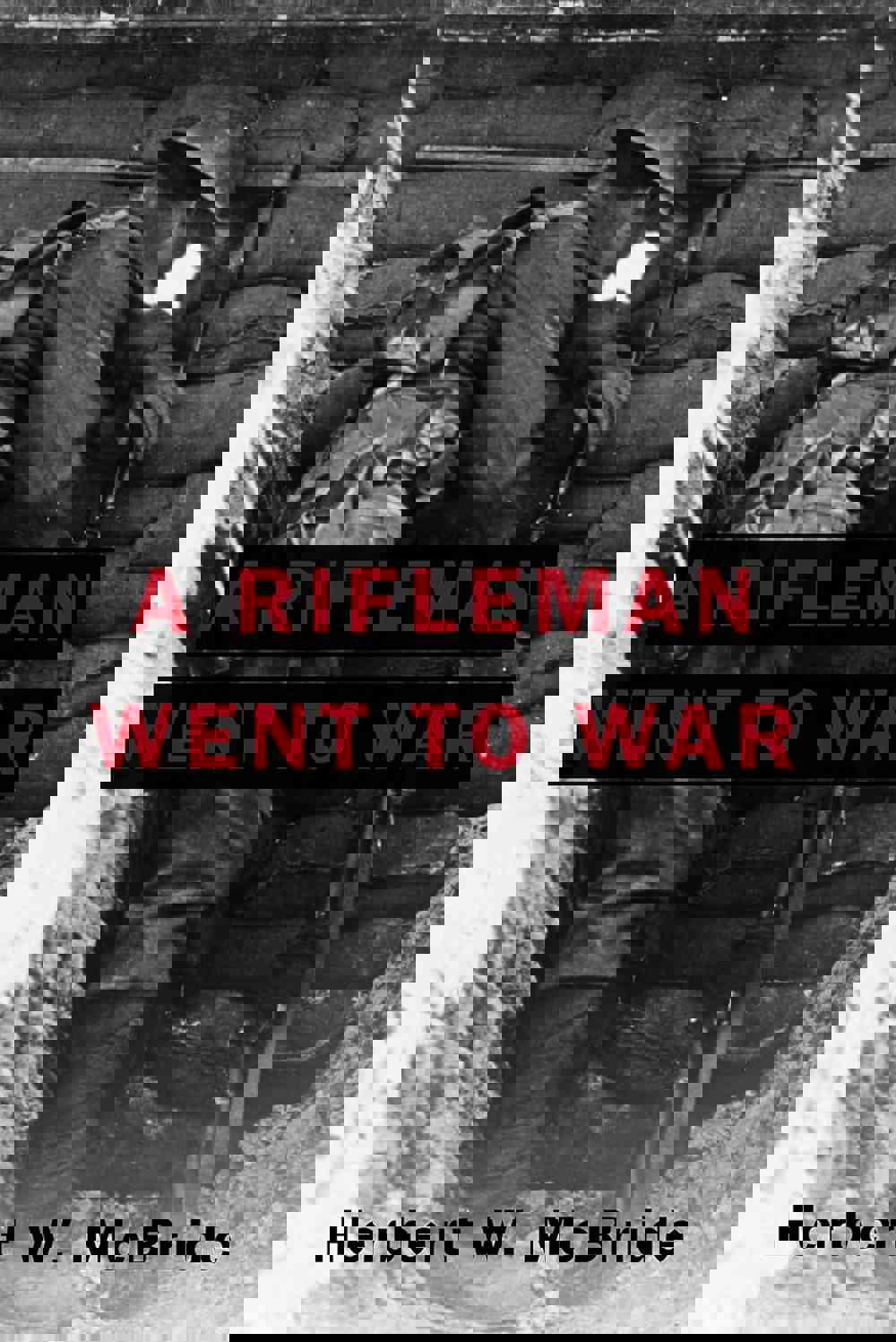



Let me tell you, this isn't your typical war memoir. Herbert McBride writes with the precision of a sniper and the bluntness of a machine gunner. I found myself constantly pausing to absorb the technical details - from bullet trajectories to machine gun emplacement strategies that still feel relevant today.
The good? The combat descriptions are so vivid you can almost smell the cordite. His accounts of sniping techniques had me adjusting my reading lamp like I was lining up iron sights. The chapter on Vimy Ridge particularly stuck with me - it's like getting tactical lessons from a ghost of the Western Front.
The bad? McBride absolutely loves hearing himself philosophize. Just when you're immersed in a trench raid story, he veers into multi-page rants about military theory. I started skimming these sections after the third digression.
Fair warning - this book doesn't pull punches. The gore is graphic, the body counts are clinical, and there's zero romanticism about killing. I had to put it down several times when descriptions of rotting corpses got too intense for my lunch breaks.
What surprised me most was how modern his thinking felt. His critiques of poor marksmanship training and equipment failures could've been written about recent conflicts. The parallels between WW1 sniper tactics and modern urban warfare are downright eerie.
Final verdict? Essential reading for military history buffs, but probably too niche for casual readers. Think 'American Sniper' meets 1917 artillery manual - fascinating but uneven. I'd give it 4 stars for historical value minus 1 star for organizational chaos.
 Report
 Share to...


